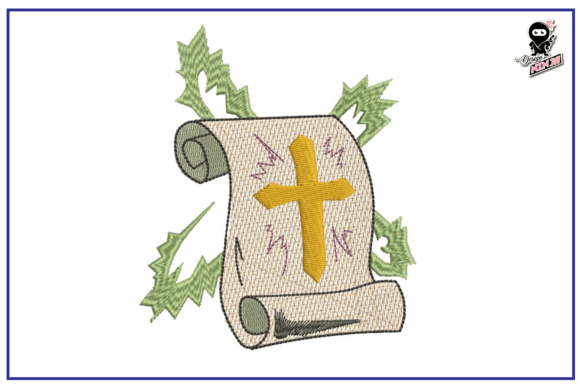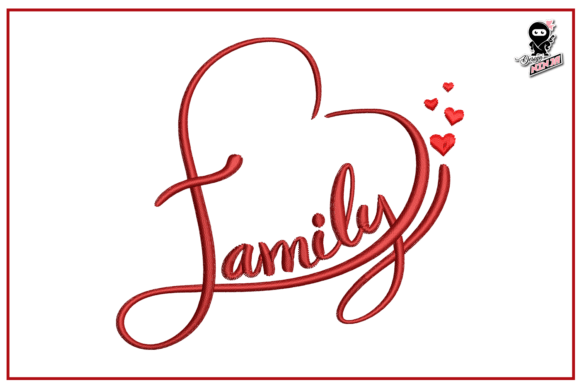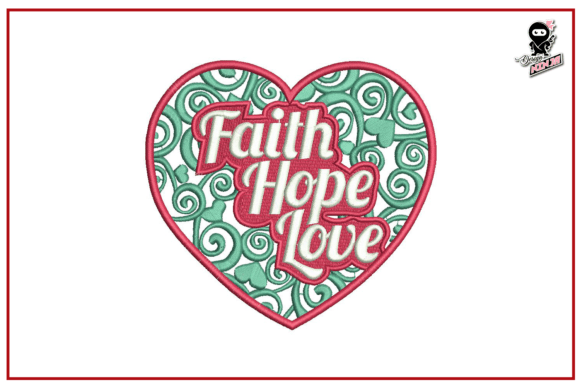
Faith Hope Love, Religious Embroidery
First Impressions: A Designer’s Eye on Mood and Craft
As an embroidery designer who’s stitched for boutique brands from Portland to Nashville, my first glance at Faith Hope Love, Religious Embroidery tells me this isn’t just another script font with a cross tacked on. The title alone evokes quiet sincerity—not preachy, not ornate, but grounded. It reads like a whispered affirmation, which means the design likely leans into clean lines, balanced spacing, and intentional negative space. That’s essential for sweatshirt embroidery, where fabric texture and drape can swallow detail. I imagine soft curves in the letterforms, perhaps a subtle serif or gentle taper—enough personality to feel handmade, but enough restraint to avoid looking fussy on heavyweight fleece.
Sweatshirt-Ready? How Faith Hope Love, Religious Embroidery Performs Across Fabric & Fit
This design shines where so many religious motifs falter: versatility. On a neutral heather gray sweatshirt? It reads as warm and timeless—like something passed down, not trend-chased. On deep navy or charcoal, the contrast lifts the message without shouting. Try it on a blush or oatmeal pastel hoodie, and it gains gentle femininity—ideal for curated lifestyle branding. And yes—it holds up on oversized hoodies and chunky seasonal knits. Why? Because Faith Hope Love, Religious Embroidery suggests thoughtful scale and proportion. Too much fill stitching would buckle on thick fabric; too little would vanish. My bet is it strikes that commercial embroidery sweet spot: legible at 3.5–4 inches wide, dense enough to stay crisp after washing, yet open enough to breathe on cozy, brushed interiors.
Placement Matters: Chest, Sleeve, Back—and Brand Story
For a small shop product, placement is storytelling. Centered chest? Instant classic—clean, confident, quietly devotional. Left-chest (above the pocket)? Feels artisanal, like a signature on a handmade product. A single-word repeat along the sleeve cuff? Unexpected, modern, and deeply wearable for younger audiences. Even as a back design—scaled slightly larger, maybe arched above the neckline—it reads with dignity, not decoration. As an Etsy seller or boutique brand, that flexibility means one machine embroidery design supports multiple SKUs: crewnecks, zip-ups, cropped styles, even matching loungewear sets. And in product photography? It translates beautifully to printable mockups—soft shadows, natural folds, no visual competition. That’s critical when your listing lives alongside hundreds of others.
Thread Colors & Contrast: Where Intention Meets Impact
Thread color choice will make or break the emotional tone. Cream or ecru thread on stone-washed black? Reverent, earthy, rustic. Navy thread on ivory French terry? Understated luxury. Bright white on charcoal? Bold and hopeful—perfect for youth ministry merch or wellness-focused apparel. Since the description promises “high-quality machine embroidery design,” I expect well-balanced stitch density: tight enough to prevent gapping on stretchy knits, loose enough to avoid puckering on dense fleece. But always verify—thread tension, fabric texture, and stabilizer choice interact dynamically. For sweatshirt embroidery, a medium-weight cutaway stabilizer is non-negotiable. Skip it, and “Faith Hope Love” may ripple or distort after the first wash.
Durability & Commercial Viability: Will It Last Beyond the First Wash?
Here’s what I ask before committing to a limited drop: Does Faith Hope Love, Religious Embroidery feel built for real life? Not just a pretty digital embroidery file, but a working asset for custom apparel? Yes—if it avoids over-stitching tiny serifs or fragile flourishes. Sweatshirts get worn, tossed in bags, washed weekly. A design that relies on micro-details won’t survive long-term use. Instead, this one likely prioritizes clarity: rounded terminals, consistent stroke weight, and generous letter spacing. That means better small-size readability—even at 2.75 inches wide on a kids’ hoodie. And because it’s rooted in universal language (“Faith,” “Hope,” “Love”), it sidesteps cultural or denominational specificity, widening its appeal across diverse customer bases without diluting meaning.
Brand Value, Trust, and the Handmade Advantage
For a small shop product, every stitch carries subtext. Faith Hope Love, Religious Embroidery doesn’t scream “mass-produced.” It whispers care—hand-selected, thoughtfully placed, intentionally scaled. That builds buyer trust faster than any tagline. When customers see that precise, confident stitching on a premium sweatshirt, they don’t just buy apparel—they invest in intentionality. That elevates perceived value, supports higher price points, and strengthens visual recognition across your line. Repeat buyers will start spotting your aesthetic: the same warmth, the same balance, the same quiet strength. Over time, that becomes your brand signature—not just a design asset, but part of your voice.
Final Notes for the Practical Designer
Before cutting fabric or loading hoops: confirm the embroidery file includes multiple sizes and compatible formats (.dst, .pes, .jef). Check recommended hoop size—chest placement on adult unisex hoodies typically fits best in a 4×4 or 5×7 hoop. Review stitch count if provided; under 12,000 stitches usually signals smart optimization for knit fabrics. And always test sew on fabric scraps *with your exact stabilizer and thread*. Sweatshirt embroidery is unforgiving with assumptions.
Remember: Faith Hope Love, Religious Embroidery isn’t just about religion—it’s about resonance. It’s the kind of design that makes a customer pause mid-scroll, touch the chest area of their screen, and think, *Yes—that’s mine.* For Etsy sellers, embroidery shops, and boutique brands building something meaningful—not just merchandise—that’s the highest compliment a machine embroidery design can earn.