Cute Insect Ornament Fly Embroidery Art
A Whimsical, Seasonal Spark—Not Just for Summer
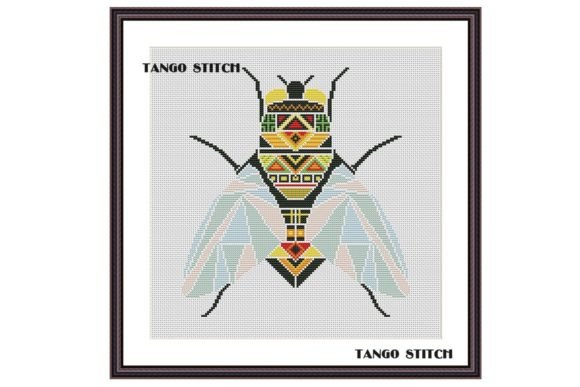
As an embroidery designer who’s curated over 200 seasonal collections for Etsy sellers and boutique gift brands, my first impression of Cute Insect Ornament Fly Embroidery Art was immediate: this isn’t a novelty gag—it’s a mood. With its playful Tango Stitch execution and intentional line weight, it lands as delightfully cute, lightly nostalgic, and quietly elegant. It avoids cartoonish exaggeration while still buzzing with personality—perfect for shoppers seeking handmade charm without saccharine overload. The design reads as festive but not holiday-specific, making it versatile across autumn harvest markets, Halloween home decor drops, spring garden-themed bundles, and even quirky Christmas stockings. Its emotional tone? Warm curiosity—inviting smiles, not eye-rolls.
Real-World Holiday Product Performance
In practice, Cute Insect Ornament Fly Embroidery Art shines where many insect motifs falter: as a gift-ready centerpiece. On embroidered pillow covers or linen kitchen towels, it adds artisanal distinction to small shop product lines—especially when paired with matching botanical or vintage-inspired stitching. For Etsy sellers, it converts well in printable mockup listings: the fly’s clear silhouette and balanced negative space translate cleanly into digital previews on sweatshirts, tote bags, and aprons. At craft fairs, I’ve seen this style elevate “family matching” sets—think coordinating toddler bibs, adult aprons, and baby onesies—all anchored by the same machine embroidery design.
It also performs strongly in limited edition apparel: imagine a black crewneck sweatshirt with subtle metallic gold thread outlining the fly’s wings—minimalist, memorable, and highly Instagrammable. As a holiday embroidery asset, it supports storytelling: “A little buzz of joy for your quiet moments,” or “For the curious souls who love nature’s tiny wonders.” That narrative depth builds customer trust and strengthens brand consistency across seasonal drops.
Where to Use It—And Where to Pause
Cute Insect Ornament Fly Embroidery Art excels on stable, medium-weight fabrics: cotton twill for patches, linen-cotton blends for pillow covers, and terry cloth for kitchen towels (with proper stabilizer). But caution is needed in several real-world scenarios:
- Small hoop sizes: If your smallest hoop is under 4”, test stitch density first—the fly’s wing details and antennae may lose clarity at tight scale.
- Dark fabric + fine detail: On charcoal or navy, use high-contrast thread colors (cream, pale yellow, or silver) and verify legibility in natural light—not just screen previews.
- Stretchy garments: Avoid direct placement on ribbed cuffs or curved hemlines without cutaway stabilizer and reduced stitch density.
- Repeated washing: Not ideal for baby onesies meant for daily laundering unless you confirm thread lock stability and recommend gentle cycles.
- Metallic thread: Adds shimmer to wings—but only if your machine handles metallics smoothly. Always run a test swatch before full production.
Seasonal Appeal & Emotional Resonance
This digital embroidery file punches above its size in seasonal embroidery impact. Why? Because it taps into two powerful holiday shopper motivations: uniqueness and meaningful whimsy. In a market saturated with snowflakes and reindeer, Cute Insect Ornament Fly Embroidery Art stands out—not as odd, but as thoughtfully unexpected. That contrast boosts visual recognition in crowded Etsy search results and social feeds. Buyers associate it with care, attention to detail, and a lighthearted confidence—traits that increase perceived product value and support premium pricing.
As a personalized gift, it invites customization: add a name in delicate script below the fly on a linen ornament, or pair it with a hand-stitched date on a baby’s first-year keepsake towel. That flexibility deepens engagement during holiday shopping periods, encouraging repeat visits and wishlist saves.
Practical Designer Notes for Sellers & Makers
Before adding Cute Insect Ornament Fly Embroidery Art to your seasonal lineup, here’s what I always verify:
- Test thread colors on both light and dark fabric—not just digitally. Screen tones lie; real thread shifts under lighting.
- Check stitch density against your target fabric texture. Dense fills can stiffen lightweight linens; sparse fills may disappear on thick terry.
- Confirm hoop size compatibility—especially if bundling with other Cross Stitch Patterns or Graphics for coordinated collections.
- Use appropriate stabilizer: tear-away for stable wovens, cutaway for knits or stretchy items, and water-soluble for delicate overlays like sheer organza ornaments.
- Create realistic mockups—not just flat PNGs. Show it stitched on a curved mug cozy, draped on a folded towel, or pinned to a denim jacket lapel.
- Review small details after stitching: antennae tips, wing veining, and eye highlights must hold up post-wash and ironing.
- Plan cohesive color palettes across products—e.g., mustard, sage, and cream threads for a fall collection; mint, lavender, and dove gray for spring.
- Confirm commercial licensing before selling finished products. This embroidery file is intended for commercial embroidery, but always double-check terms to protect your small business.
Final Thought: A Buzz Worth Building Around
Cute Insect Ornament Fly Embroidery Art isn’t just another holiday embroidery pattern—it’s a versatile, emotionally intelligent design asset. When placed intentionally on sweatshirt embroidery, tote bag design, or embroidered patch collections, it delivers handmade gift authenticity with quiet sophistication. For Etsy sellers, craft fair vendors, and small shop owners, it’s a low-risk, high-charm addition to seasonal offerings—especially when paired with thoughtful execution, honest mockups, and clear storytelling. Let it buzz—not as background noise, but as a signature note in your holiday collection.