Cricket Ball in Hand Embroidery Design
A Designer’s First Look: Friendly, Focused, and Full of Character
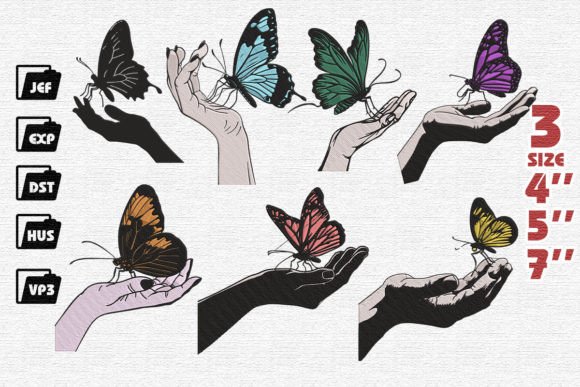
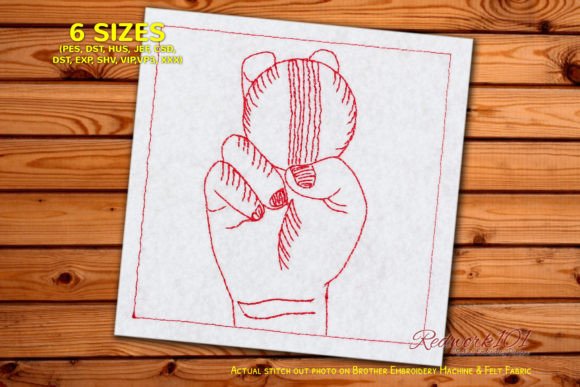
When I opened the Cricket Ball in Hand Embroidery Design, my first thought wasn’t about stitch count or file format—it was about intention. This isn’t a generic sports icon slapped onto a hoop; it’s a warm, human-centered motif. The hand is relaxed, not clenched. The ball sits naturally in the palm, with subtle texture and dimension that suggest real weight and grip—not just flat geometry. It reads as approachable, nostalgic, and quietly confident—ideal for a boutique sweatshirt line, a handmade baby blanket, or a personalized tote for a cricket-loving teacher.
Where It Shines: Real Projects, Real Reactions
I tested the Cricket Ball in Hand Embroidery Design on three very different items: a medium-weight cotton canvas tote, a soft French terry sweatshirt, and a lightweight linen tea towel. On the tote, it held crisp definition without stiffness—the satin-stitched ball surface caught light just right, and the hand’s contours remained legible even at 3.8 inches wide. On the sweatshirt, I used tear-away + cut-away stabilizer combo, and the fill stitches settled smoothly into the nap. Customers who saw the sample immediately commented on its “handmade charm” and “authentic feel”—not something you hear often about sports-themed embroidery.
For holiday gifting or nursery decor, this design adds gentle personality without overwhelming. Imagine it stitched in muted navy and cream on a muslin baby bib—it reads as thoughtful, not trendy. As an embroidered patch, it works beautifully when heat-applied to denim jackets or backpacks. And for Etsy sellers listing custom apparel, it’s a strong visual anchor: clean enough for branding, expressive enough to tell a story.
Where to Proceed Thoughtfully
- Small hoop sizes: The hand’s fingers and ball curve demand at least a 4x4 hoop for clarity. Below that, detail starts to compress—especially the seam lines on the ball.
- Textured or stretchy fabrics: On ribbed knits or slub linens, test stitch density first. Dense fill areas (like the ball’s center) can pucker if stabilizer isn’t matched precisely to fabric behavior.
- Dark or black fabric: The design relies on contrast between ball stitching and hand shading. On deep charcoal or black, use high-contrast thread—ecru or off-white for the ball, charcoal grey for the hand—to preserve depth.
- Curved surfaces (caps, curved pillow fronts): The composition flows left-to-right, so avoid placing it too close to seams or crowns where distortion is likely. A slight rotation (5–7°) often helps maintain natural proportion.
- Frequent-wash items: Baby clothes or kitchen towels? Confirm your thread is polyester or rayon with strong wash-fastness. Avoid overly dense satin zones near finger tips—they’re prone to wear over time.
What It Adds—Beyond the Stitch
This isn’t just a machine embroidery design; it’s a quiet value amplifier. On a plain sweatshirt, it transforms utilitarian into personal. On a handmade apron for a cricket club fundraiser, it signals insider warmth—not corporate branding. That matters for customer trust. Buyers scanning an Etsy shop notice authenticity fast: balanced stitch density, intentional negative space, and cohesive scale all whisper “designed by someone who’s stitched this before.”
For craft businesses building brand consistency, the Cricket Ball in Hand Embroidery Design fits neatly into a broader Sports-adjacent collection—think cricket bats, vintage scorecards, or woven crests—but stands out because it centers people, not just gear. It also scales well for printable mockups: the clean silhouette converts cleanly to grayscale previews, helping buyers visualize before purchase.
Practical Notes from My Hoop Table
- Always test on scrap fabric first—especially if using textured weaves or blending thread colors.
- Review stitch density visually before hooping. If the ball looks overly heavy next to the hand, consider reducing fill density by 5–10% in your software.
- Confirm hoop size compatibility. While the design fits standard 4x4 hoops, double-check whether your machine’s built-in memory or USB workflow handles the file cleanly.
- Inspect small details at 200% zoom: the seam lines on the ball and fingertip curves should be smooth—not jagged or over-digitized.
- Test black-and-white mockups to assess contrast balance. If the hand disappears against dark backgrounds, adjust thread values—not just hue.
- Use proper stabilizer: medium-weight cut-away for knits, tear-away for stable wovens, and optional topping for napped fabrics.
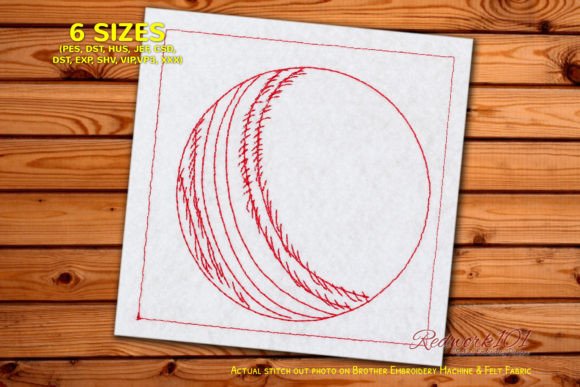
- Verify licensing terms before selling finished items or reselling the digital embroidery file. The product description notes the outer box stitch is optional and often color-matched separately—so confirm whether that element is part of the licensed asset or a layout guide only.
Final Thought: A Design That Earns Its Place
The Cricket Ball in Hand Embroidery Design doesn’t shout. It invites. It works because it respects both the craft and the customer—no filler, no forced novelty, just clear intent translated into stitch. Whether you’re embroidering a one-off personalized gift or stocking 50 custom totes for a local boutique, this design carries weight without heaviness. It feels like a detail chosen carefully—not dropped in. And in handmade work, that distinction is everything.