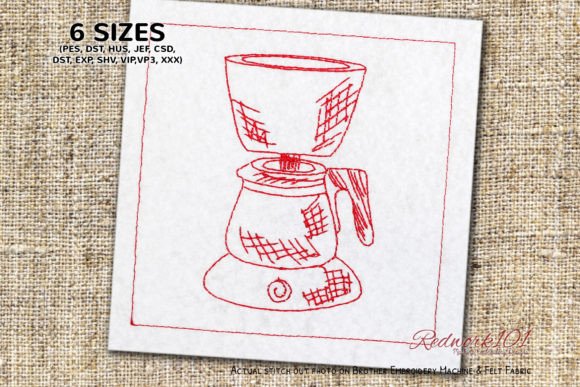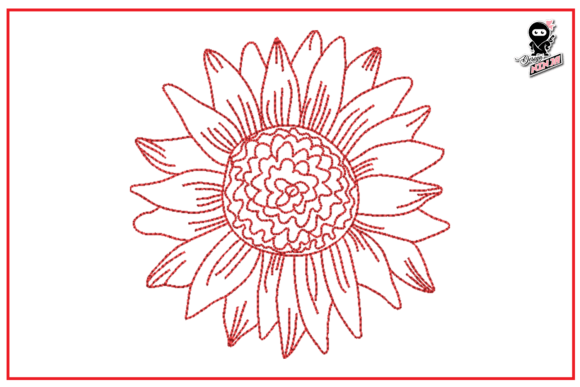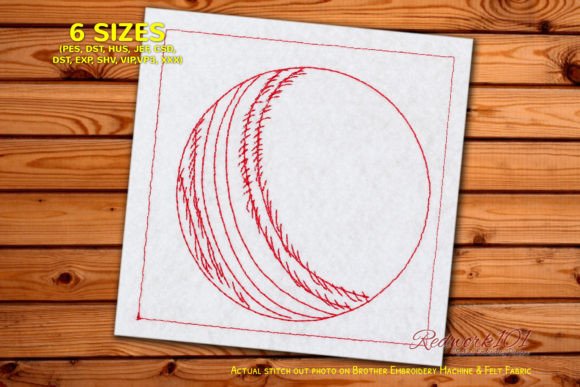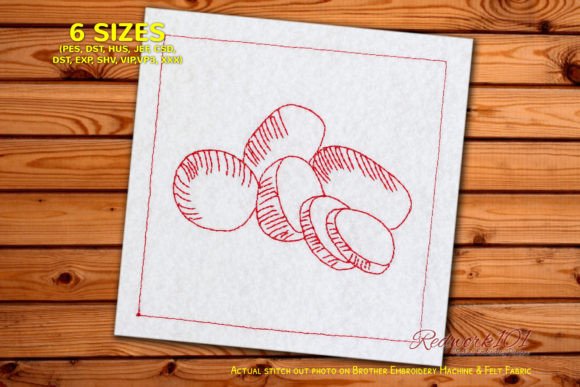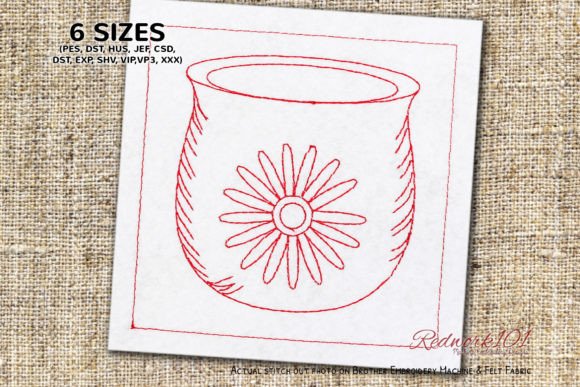
Artwork on Pottery Redwork Embroidery
First Impressions: Charm, Clarity, and Quiet Confidence
As an embroidery designer who’s stitched thousands of personalized gifts—from baby blankets for first-time parents to wedding keepsakes wrapped in linen—I opened Artwork on Pottery Redwork Embroidery with quiet anticipation. What greeted me wasn’t flashy or overly complex, but deeply intentional: clean linework, gentle curves reminiscent of hand-painted ceramics, and that unmistakable redwork warmth—softened just enough to feel modern, not retro. It reads as handmade without looking fragile, elegant without being stiff, and timeless without feeling dated. There’s a quiet sweetness here—not saccharine, but sincere—like a handwritten note tucked into a kitchen towel. That emotional resonance is exactly what makes this design shine in the Kitchen category and beyond.
Where This Design Truly Belongs: From Towels to Keepsakes
Artwork on Pottery Redwork Embroidery isn’t one-note—it’s a versatile storyteller. On a 100% cotton flour-sack towel? Instant heirloom energy. Stitched onto a linen pillow cover beside a nursery crib? It whispers “thoughtful” before the buyer even reads the tag. For baby embroidery, it’s ideal for burp cloths, swaddle wraps, or milestone blankets—its balanced scale avoids overwhelming delicate fabrics while still holding visual weight in photos. As a wedding gift, pair it with monogrammed initials or a date in matching redwork style (if offered separately) for a cohesive, custom embroidery moment. Etsy sellers will love how effortlessly it elevates a simple tote bag or apron into a handmade product with narrative depth. And for craft fairs or small shop owners? It photographs beautifully—clean lines translate well to digital listings, and its classic mood appeals across generations.
Smart Placement Matters: Know When to Pause
That said, not every surface is equal—and Artwork on Pottery Redwork Embroidery rewards thoughtful application. Avoid using it on highly textured fabric like terry cloth towels unless you’re willing to double-stabilize and adjust tension; the fine line work can blur if fibers compete for attention. Similarly, skip stretchy baby onesies—the design’s integrity relies on stable ground. Curved surfaces (think mugs with embroidered sleeves or rounded pillow inserts) may distort proportions unless digitized for contour. Small lettering? If your version includes text, test stitch it at actual size—redwork relies on clarity, not density. And on dark fabric? Confirm thread contrast early: true redwork red loses warmth on navy or charcoal unless paired with matte, high-contrast thread. Always run a printable mockup side-by-side on light and dark backgrounds before finalizing a listing.
Why Gifting Potential Soars With This Design
This isn’t just another machine embroidery design—it’s a trust-builder. Customers browsing for a personalized gift respond instinctively to craftsmanship cues: balanced spacing, consistent line weight, and intentional negative space. Artwork on Pottery Redwork Embroidery delivers all three. That perceived quality lifts perceived value—shoppers are more likely to pay a premium for a towel or blanket featuring this design because it feels curated, not mass-produced. In product photography, its simplicity becomes an asset: no busy background needed, no styling overkill. Just soft light, natural fabric drape, and the design speaking for itself. That authenticity drives engagement—especially for Etsy sellers and handmade brands where emotional connection directly impacts conversion.
Practical Notes Every Embroiderer Should Run Through
Before stitching your first customer order, treat Artwork on Pottery Redwork Embroidery like a new collaborator—not just a file. Start with a scrap-fabric test: same base fabric, same stabilizer type (cutaway works best for towels and blankets; tear-away suffices for lighter linens). Check how thread colors hold up after washing—redwork threads fade differently than poly blends, so wash-test your finished sample. Confirm hoop size compatibility—some versions include optional elements like the Box Stitch referenced in the description; know whether that’s part of your file or a separate layer. Review stitch density visually: too dense and it’ll pucker thin cotton; too sparse and details vanish on terry cloth. And always—always—verify commercial licensing terms before selling finished products. If your digital embroidery file doesn’t explicitly grant rights for resale, reach out to the designer first. A quick email now saves returns later.
Final Thought: It’s Not Just a Design—It’s a Starting Point
I’ve used Artwork on Pottery Redwork Embroidery on everything from custom aprons for local bakeries to monogrammed blanket corners for newborn photo sessions—and each time, customers comment on how “intentional” it feels. That’s the mark of a strong custom embroidery asset: it doesn’t shout, but it stays remembered. For baby product creators, wedding gift designers, and small business owners building a signature aesthetic, this design quietly reinforces brand values—care, tradition, and personal meaning—without needing explanation. It fits seamlessly into Kitchen collections while extending naturally into nurseries, gifting suites, and boutique apparel. Just remember: let the design breathe, honor its redwork roots with thoughtful execution, and always stitch with the end recipient in mind—not just the hoop.