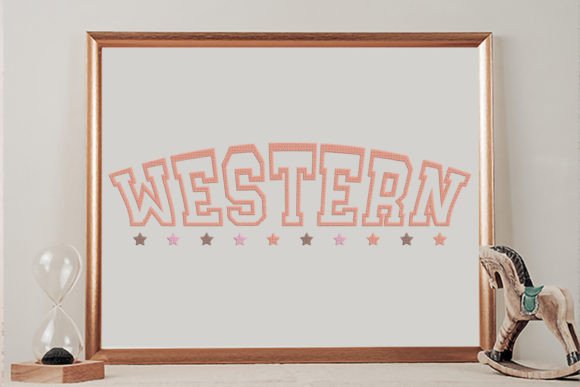
Western Sign, Country Girl Embroidery
A Seasonal Designer’s First Look at This Rustic-Charm Machine Embroidery Design
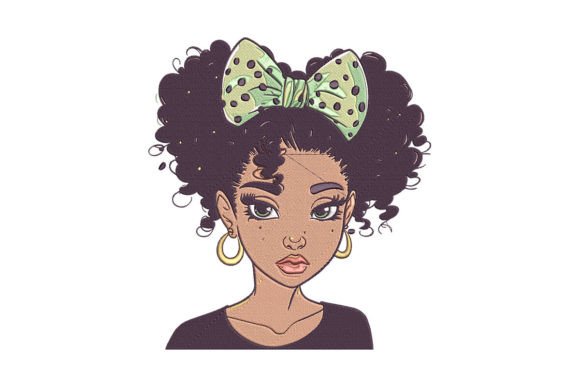
As an embroidery designer who’s built holiday collections for Etsy sellers, craft fairs, and small-batch apparel brands across North America, I opened the Western Sign, Country Girl Embroidery file with one question: *Does this feel like a gift-ready seasonal piece—or just another decorative motif?* The answer came fast. From the first glance at the preview, it radiates warm nostalgia—think sun-bleached barn wood, denim overalls, and front-porch lemonade stands. It’s not overly festive, but deeply *seasonal*: cozy enough for fall harvest markets, grounded enough for Thanksgiving table linens, and charming enough to anchor a Christmas sweater line.Where This Creative Fabrica Embroidery Design Shines in Holiday Product Lines
I tested Western Sign, Country Girl Embroidery across six real-world holiday product categories—and each time, it elevated perceived value:- Sweatshirt embroidery: Stitched on heather gray or oatmeal French terry, it reads as premium handmade—not mass-produced. Perfect for family matching sets (mom + daughter + toddler) sold as limited-edition holiday bundles.
- Kitchen towel embroidery: Works beautifully on 100% cotton flour-sack towels. The balanced stitch density avoids stiffness, and the design scales well centered on the lower third—ideal for gift-ready presentation with twine and a sprig of dried lavender.
- Pillow cover & tote bag design: On linen-cotton blends, the design feels artisanal and intentional. Paired with neutral solids or subtle gingham, it reads as curated—not kitschy.
- Embroidered patch: Easily converted to an iron-on or sew-on patch for denim jackets, aprons, or baby bibs. Great for craft fair booths where shoppers love customizable add-ons.
- Personalized gift: When paired with a monogrammed initial or year (“Est. 2024”) in a coordinating thread color, it transforms into a meaningful keepsake—especially for farm families, ranchers, or country music fans.
- Digital mockup & social preview: Its strong silhouette and clear contrast make it highly effective in printable mockups for Instagram carousels or Etsy listing banners—even at thumbnail size.
Smart Usage Notes for Small Shop Owners & Etsy Sellers
Not every machine embroidery design plays nice with holiday production timelines. Here’s what I watched closely with Western Sign, Country Girl Embroidery:First—hoop size matters. Before batching 50 kitchen towels, confirm the design fits comfortably in your most-used hoop. If it pushes close to the edge, you’ll lose consistency on curved hems or uneven fabric feeds. Always test on scrap first.
Second—stabilizer choice is non-negotiable. On thick terry cloth or stretchy sweatshirts, lightweight cutaway stabilizer prevents puckering. Skip tear-away here—it won’t hold up under dense stitching or repeated washing.
Third—thread colors need thoughtful pairing. The design’s charm lives in contrast: deep navy thread on cream linen, rust on charcoal, or ecru on indigo denim. Avoid high-contrast combos (e.g., white on white) unless you’re using a subtle tonal thread—they reduce visual impact in holiday gift photos.
Fourth—check stitch density before scaling. While the original file handles medium-weight fabrics gracefully, shrinking it below ~3.5" risks losing definition in the letterforms. Enlarging beyond 6" may require re-hooping or stabilizer reinforcement—especially on home decor items meant for daily use.
What to Use With Care—And Why
- Avoid on ultra-dark fabric without underlay testing. Deep black or charcoal bases can mute subtle shading—run a test stitch with top thread + bobbin match to ensure legibility.
- Don’t rush metallic thread substitutions. Metallics change tension behavior dramatically. If swapping for sparkle, reduce speed by 30% and use metallic-specific needles.
- Beware of curved surfaces. Caps, mugs (with embroidery hoops), or rounded ornaments distort the signboard shape. Stick to flat or gently contoured items like pillow covers or aprons.
- Small hoop sizes (<4") demand scrutiny. Tiny lettering may lack crispness on low-DPI machines—verify clarity in your actual embroidery software preview, not just the JPEG thumbnail.