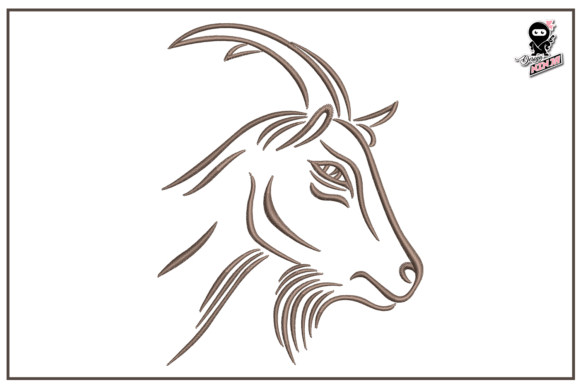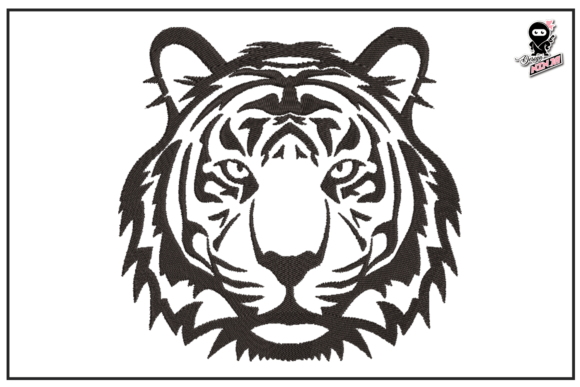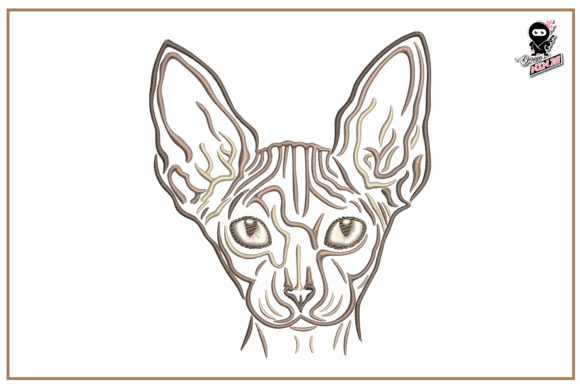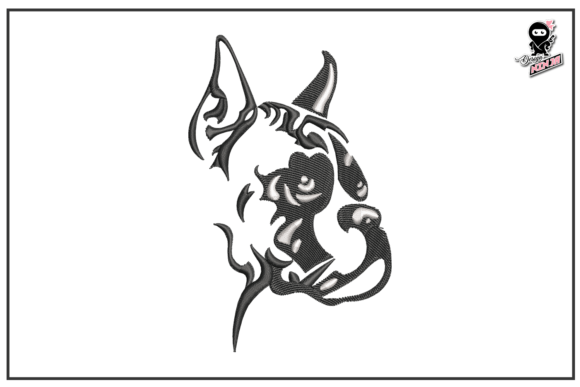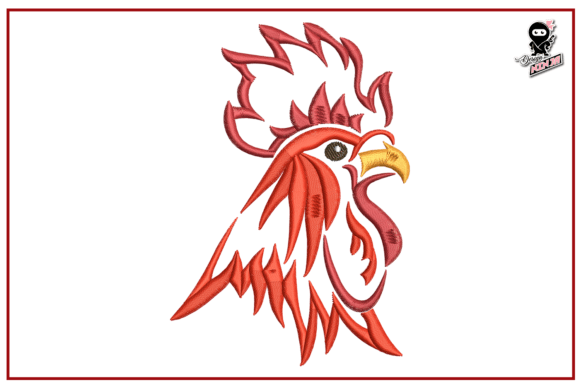
Rooster Portrait, Farm Animal Embroidery
First Impression: Bold, Rustic, and Instantly Recognizable
As an embroidery designer who’s prepped over 200 craft fair booths in the past decade, my gut reaction to Rooster Portrait, Farm Animal Embroidery is immediate: this is a standout. It reads bold—not cartoonish, not overly sweet—just confident, rustic charm with a touch of vintage farmhouse flair. The title alone signals authenticity and niche appeal: farm lovers, country collectors, gardeners, and small-town boutique shoppers all pause for a well-executed rooster. It doesn’t feel trendy or fleeting; it feels like a timeless craft fair product that sells year after year.
Where It Shines: Real-World Product Pairings
In my booth setup—featuring embroidered tote bags, linen aprons, cotton tea towels, denim caps, twill patches, canvas pouches, and linen pillow covers—the Rooster Portrait, Farm Animal Embroidery design consistently draws attention at three key touchpoints: the apron chest pocket, the center front of a market tote, and as a framed 5" hoop wall art piece. Why? Because it balances scale and storytelling. On a tea towel, it’s cheerful and functional. On a cap, it reads cleanly even from across the aisle—if digitized thoughtfully. As an embroidered patch, it adds instant character to denim jackets and reusable grocery bags.
For Etsy sellers and small shop owners, this design works beautifully in layered listings: pair it with neutral backgrounds in your printable mockup gallery, then show real-life photos of the finished product on oatmeal linen or indigo-dyed cotton. Customers don’t just buy a rooster—they buy a mood, a lifestyle, and handmade warmth. That emotional resonance lifts perceived value, especially when paired with quality fabric and intentional stitching.
Production Reality Check: What Works—and What Needs Care
This isn’t a “load-and-go” design. As a working embroidery designer, I always ask: Will it hold up under real-world production pressure? For Rooster Portrait, Farm Animal Embroidery, here’s my honest assessment:
- Small details demand attention: Feathers, beak texture, and eye definition can blur on dense fabrics like terry cloth towels or heavy duck canvas—so test stitch density on scrap first.
- Curved surfaces need planning: Caps and pouches require careful hooping and possibly reduced fill density to avoid puckering. Don’t skip the stabilizer—especially cutaway for structured items.
- Dark fabric? Contrast matters: Use high-contrast thread colors (cream on navy, gold on charcoal) to preserve legibility. Avoid light threads on black without testing.
- Size flexibility is limited: This design shines at 4–6", but shrinks poorly below 3". Tiny combs or feather tips lose clarity—so skip it for micro-patches or baby onesies unless you’ve verified the digital embroidery file includes a scaled-down version.
- Hoop size & spacing: Confirm the largest version fits your standard hoop before batch production. Overlapping elements or tight lettering (if included in the design) may need manual spacing tweaks in your embroidery software.
Booth Power & Buyer Engagement
At a crowded craft fair, visual hierarchy wins. A single Rooster Portrait, Farm Animal Embroidery sample on a burlap-wrapped frame or stitched onto a vintage-style flour sack towel stops people mid-aisle. It says “handmade,” “thoughtful,” and “uniquely yours”—not mass-produced. When customers see it on multiple products (a matching apron + tea towel + patch set), they perceive brand consistency—even if it’s just one designer behind the table.
I’ve watched buyers linger longer, ask about fabric sourcing, and request custom colorways when Rooster Portrait, Farm Animal Embroidery anchors a display. It invites conversation—“Is that your rooster?” “Do you do chickens too?”—which builds connection far beyond a transaction. That’s the quiet power of a strong machine embroidery design: it’s not just decoration—it’s a conversation starter and a trust builder.
Designer-to-Designer Notes Before You Stitch
Before cutting your first production run, do these six things:
- Test on scrap fabric that matches your final product—especially for textured towels or stretchy tees.
- Check thread contrast under both natural and booth lighting. What looks sharp in daylight may fade under warm string lights.
- Review spacing and stitch density in your embroidery software—tight feather fills can cause thread breaks or fabric distortion.
- Confirm hoop size compatibility across all versions (if multiple sizes are included in the embroidery file).
- Use the right stabilizer: tear-away for stable wovens, cutaway for knits or unstable weaves, and topping for looped textures like terry cloth.
- Create at least one real mockup—not just digital. Photograph it in context: draped over a crate, pinned to a chalkboard, held in hand. That image will outperform ten stock mockups on Etsy or Instagram.
Final Thought: A Smart Addition to Your Design Assets
Rooster Portrait, Farm Animal Embroidery isn’t just another Farm Animals motif—it’s a versatile, emotionally resonant Embroidery asset built for real commerce. It strengthens booth presence, supports premium pricing, and scales well across categories: from tote bag design to apron embroidery, from tea towel embroidery to giftable wall art. For Etsy sellers, Cricut crafters, and boutique makers alike, it’s a low-risk, high-return addition to your design assets—as long as you treat it with the care a hand-finished product deserves.
One last note: always verify commercial licensing terms before selling finished goods. And if the description mentions “multiple embroidery file formats and c…”—yes, that trailing “c” likely means “etc.” or is a cutoff. Double-check what’s included before purchasing or listing. Clarity there saves hours later.