Bird Embroidery: A Thoughtful Choice for Personalized Gifts
First Impressions: Charm, Clarity, and Quiet Confidence
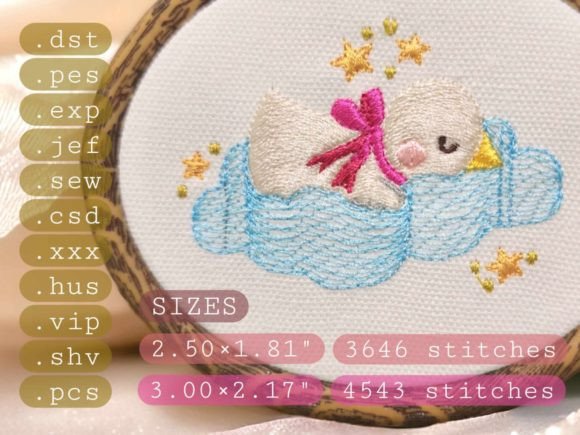
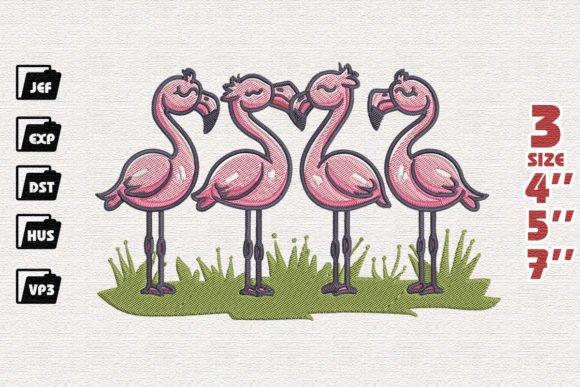
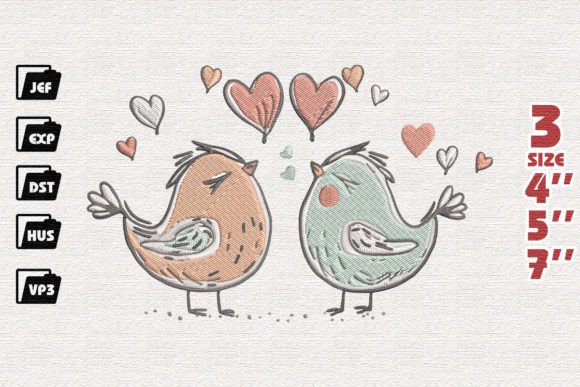
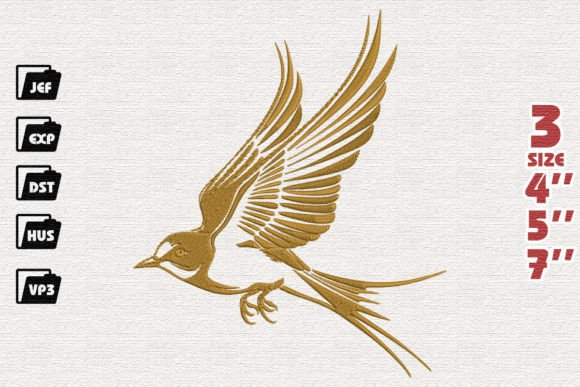
As an embroidery designer who’s tested hundreds of digital embroidery files for retail and custom work, I opened Bird Embroidery expecting charm—and found something more: quiet confidence. It’s not fussy or overly detailed, but it carries unmistakable personality—gentle curves, a softly rounded body, and wings that suggest motion without complexity. The design reads as sweet yet timeless, with just enough line definition to feel handmade, not mass-produced. It leans classic rather than trendy, which means it won’t date quickly on a baby blanket or wedding keepsake. Customers drawn to understated elegance—think new parents selecting nursery decor or couples choosing monogrammed linen for their registry—will respond instinctively to its warmth.
Where Bird Embroidery Shines in Real Gift-Making
This machine embroidery design thrives where emotional resonance meets practicality. Here’s how it performs across common personalized gift categories:
- Baby embroidery: Perfect for onesies, burp cloths, and receiving blankets—especially when paired with soft pastel thread colors. Its scale works beautifully at 3–4 inches, fitting neatly in the corner of a swaddle or centered on a crib bumper.
- Wedding gift: Stitched onto linen napkins, handkerchiefs, or a framed hoop with calligraphy, Bird Embroidery adds poetic simplicity. It signals care—not clutter—and pairs well with floral motifs or minimalist monograms.
- Nursery decor & pillow covers: On cotton-linen blends or brushed twill, the design holds shape and breathes with the fabric. I’ve used it on 16” square pillow covers with excellent drape and no puckering.
- Embroidered towel & kitchen linens: Works reliably on terry cloth when stabilized properly—more on that below—but avoid placing near high-friction zones like towel hems unless stitch density is verified.
- Tote bags & aprons: Stitches cleanly on medium-weight canvas and denim. Position it slightly off-center on a tote for visual balance; on an apron bib, it becomes a focal point that invites conversation.
- Etsy seller & small shop product: As a digital embroidery file, Bird Embroidery supports fast turnaround for made-to-order listings. Pair it with lifestyle photos (a bird-embroidered blanket draped over a rocking chair, for example) and watch engagement rise—it tells a story before the buyer even reads the description.
Where to Use Bird Embroidery Thoughtfully
Not every surface is equal—and Bird Embroidery, like any well-designed embroidery file, reveals its strengths only when matched thoughtfully to material and use case:
- Avoid dense textures: Heavy terry, bouclé, or heavily napped fleece can swallow fine lines. If using on thick towels, increase stabilizer layers and test stitch density first.
- Stretchy fabrics need support: For baby clothes (like knit onesies), always use cutaway + tear-away combo stabilizer—and confirm the design’s stitch density isn’t too aggressive for delicate knits.
- Curved surfaces demand planning: Jackets or curved pillow forms require re-hooping or specialty hoops. Bird Embroidery’s clean outline helps, but test placement on a mockup before committing.
- Dark fabric demands contrast: On navy or charcoal, lighter thread colors (ecru, pale gray, oatmeal) read beautifully—but verify colorfastness and check for haloing around edges.
- Frequent washing? Prioritize stability: For items like embroidered towels or kids’ blankets, ensure the file uses secure underlay and satin-stitched edges—not just fill stitches alone.
Why Bird Embroidery Builds Trust—and Sales
In handmade markets, perceived quality drives purchase decisions faster than price. Bird Embroidery contributes directly to that perception: its balanced proportions, smooth transitions, and absence of jagged vector artifacts tell customers “this was designed by someone who understands fabric, thread, and wear.” That translates to higher average order value, fewer returns, and stronger repeat business. When photographed well—flat-lit, on natural fabric, with subtle shadow—it elevates even simple products like a linen tea towel into a curated, giftable item. Buyers don’t just see stitching—they see intention.
Practical Notes Every Maker Should Check Before Stitching
Before adding Bird Embroidery to your next batch of personalized gifts, run through these essentials:
- Test on scrap fabric—same fiber content and weight as your final product.
- Verify thread color contrast against both light and dark fabric swatches. A single-color version often photographs better than multi-hue for cohesive branding.
- Confirm hoop size compatibility with your machine. If unlisted, assume standard 4x4 or 5x7 unless otherwise noted.
- Review stitch density—especially if embroidering on lightweight or stretchy materials. Overly dense fills cause stiffness and skipped stitches.
- Match stabilizer to fabric: cutaway for knits, tear-away for stable wovens, and water-soluble + tear-away for towels or lace overlays.
- Compare light/dark fabric mockups digitally or via printed printable mockup—lighting shifts how detail reads.
- Inspect small details post-stitch: beak definition, wing feather separation, and eye clarity should remain legible after trimming and pressing.
- Confirm commercial licensing before selling finished products. Since Bird Embroidery is marketed for personalized gift products, double-check terms for Etsy seller use, wholesale, or white-label applications.
A Design That Grows With Your Business
Bird Embroidery isn’t just another embroidery file—it’s a versatile anchor for thoughtful product development. Whether you’re launching a baby product line, curating wedding gift bundles, or building an Etsy shop around nature-inspired handmade goods, this design adapts without losing character. It invites customization (add a name, date, or coordinating motif) while retaining its quiet identity. And because it avoids seasonal clichés or overused tropes, it stays relevant year after year—making it a smart investment for any small business focused on longevity over trend-chasing.